France and Germany strike EU emissions deal with UK carmakers in focus
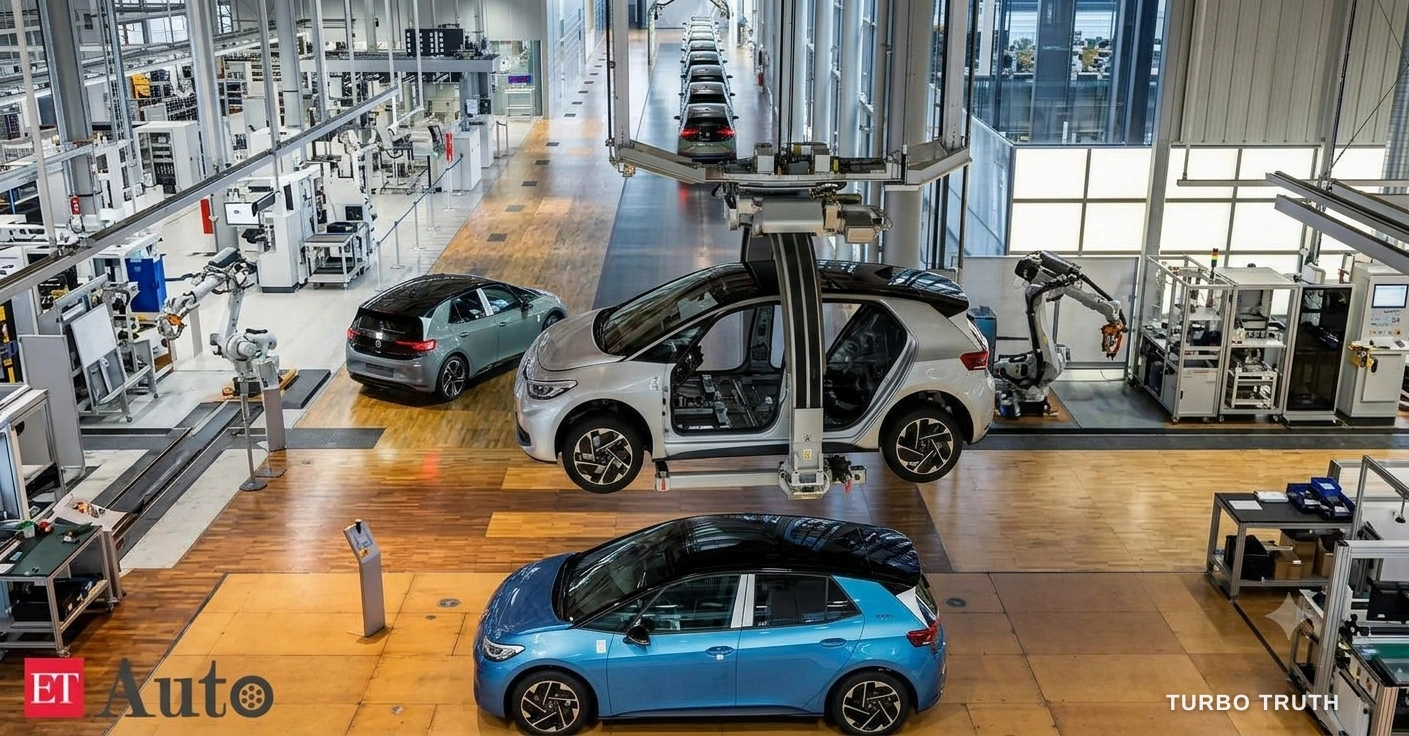
Illustration generated by Turbo Truth.
France and Germany have reached an agreement on car emissions rules that could reshape how British-made vehicles are treated in European markets. The deal opens the door for UK manufacturers to be included under the Made in EU initiative, a move that would have real consequences for how cars built in Britain are taxed and sold across the continent. Talks are ongoing, and nothing is finalised yet.
What the EU emissions deal actually covers
The agreement between Paris and Berlin centres on aligning carbon emission standards across the bloc while creating a pathway for non-EU countries to qualify under the Made in EU banner. For Britain, which left the EU, this matters because cars assembled at plants in England, Scotland, and Wales could eventually receive the same regulatory treatment as those built in Germany, France, or Italy.
Why UK car brands are watching this closely
Manufacturers like Jaguar Land Rover, Nissan at its Sunderland plant, and Mini at its Oxford factory all export heavily into Europe. Right now, those cars face friction at the border in the form of tariffs and compliance costs that European-built rivals do not. If Britain is folded into the Made in EU framework, that friction reduces. No date has been given for when or whether that happens.
What still needs to fall into place
Several conditions must be met before any of this changes life on the ground for buyers or manufacturers:
- All EU member states must agree, not just France and Germany
- The European Parliament must give its approval
- Britain must align its own trade and import regulations with EU standards
- Ongoing negotiations between London and Brussels must produce a workable text
- Any final framework will need ratification on both sides
What this means if you are buying a British car now
For Indian buyers importing a British-made vehicle, nothing changes today. Prices, duties, and availability remain exactly as they are. This is a policy negotiation at government level, and it will take time to move from an agreement in principle to a signed framework to any real-world effect at a showroom or customs gate.
Will British cars actually get cheaper in Europe because of this deal?
More to read
All news →
0 Comments
Join the discussion
Reading is free for everyone — register (also free) to reply in threads.
No comments yet — start the discussion.