Hino Fuso strategy: what Archion sees in Chinese trucks
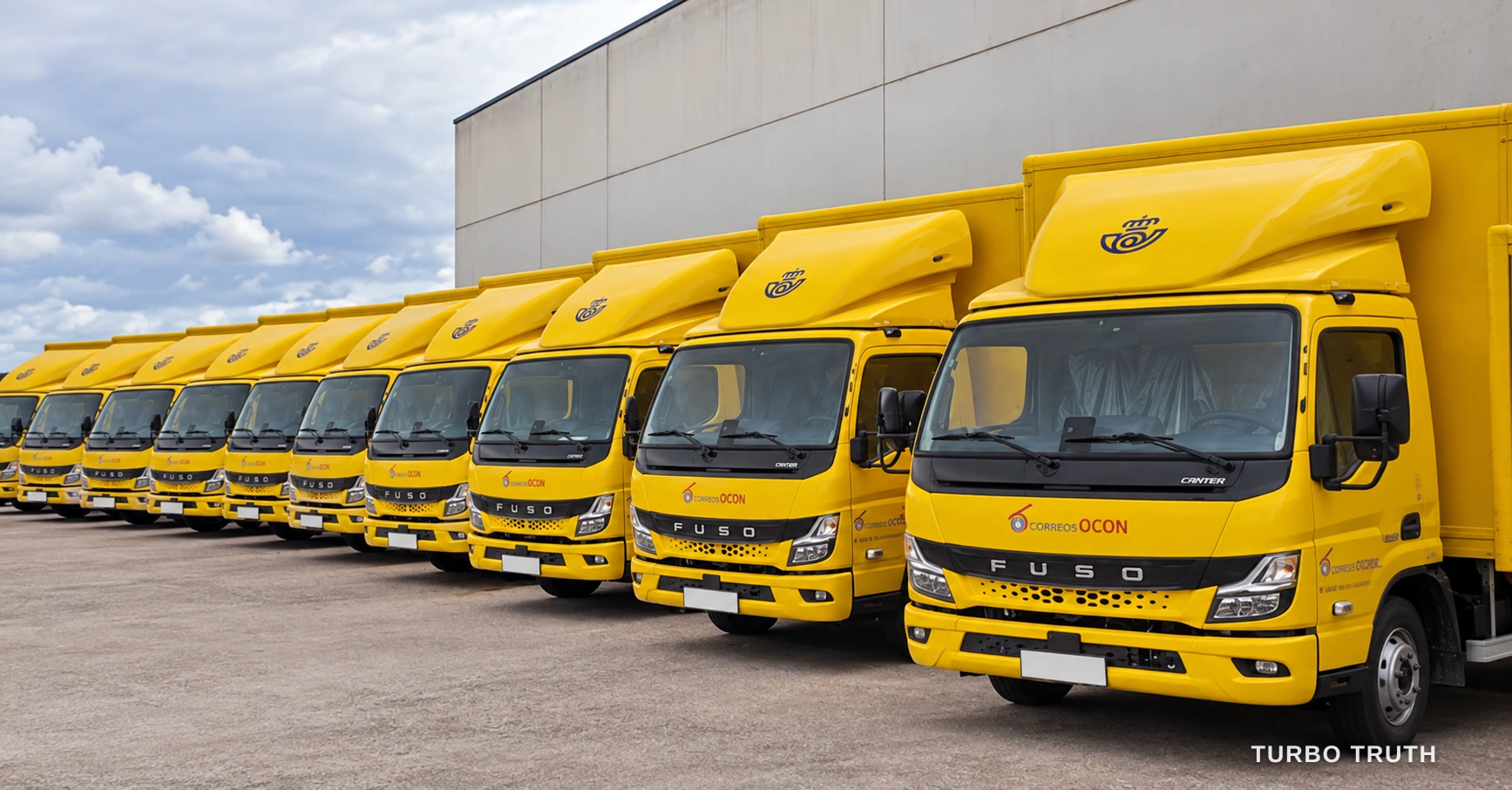
Illustration generated by Turbo Truth.
Archion is taking the rise of Chinese commercial vehicle makers seriously, especially in the ASEAN region, but the company is not treating the situation as a reason to step back. Its approach is to use the strengths of Hino and Fuso while staying alert to how quickly the competitive picture is changing.
Hino and Fuso in Archion's plan
The two established commercial vehicle names are central to Archion's confidence. President and CEO Karl Deppen has pointed to the strengths of Hino and Fuso as part of the company's response to a market where Chinese manufacturers are becoming a bigger competitive force.
For buyers, the important point is that Archion is not talking about replacing that strategy. It is looking to build on what these two brands already bring while responding to the changing commercial vehicle market.
Chinese commercial vehicle makers are growing
The biggest competitive issue highlighted by Archion is the increasing presence of Chinese commercial vehicle manufacturers. The concern is particularly relevant across ASEAN, where the company sees this competition becoming more significant.
- Chinese commercial vehicle makers are an increasing competitive threat
- ASEAN is a key region in Archion's view
- Hino and Fuso remain central to Archion's strategy
- Archion says it needs to stay confident but not complacent
Why ASEAN matters to Archion
The focus on ASEAN is worth watching because it shows where Archion currently sees the competitive pressure developing. The company is not simply looking at the established players. Chinese commercial vehicle makers are part of the changing competitive landscape that Archion has to account for.
That makes the Hino and Fuso strategy more than a statement of confidence. It is also about making use of existing strengths while recognising that competition in the region is becoming tougher.
Staying confident but not complacent
Deppen's position is fairly clear: Archion remains confident, but it does not want that confidence to turn into complacency. For a commercial vehicle buyer, that distinction is useful because the industry is changing quickly and manufacturers have to respond to new competition.
There are no specific product launches, prices or India plans in this development, so the practical takeaway for Indian buyers is to watch how this competitive pressure eventually affects the products and strategies offered in our market.
How do you think stronger Chinese commercial vehicle competition could affect Indian buyers and fleet operators?
More to read
All news →

0 Comments
Join the discussion
Reading is free for everyone — register (also free) to reply in threads.
No comments yet — start the discussion.