MoRTH says vehicle standards now match global benchmarks
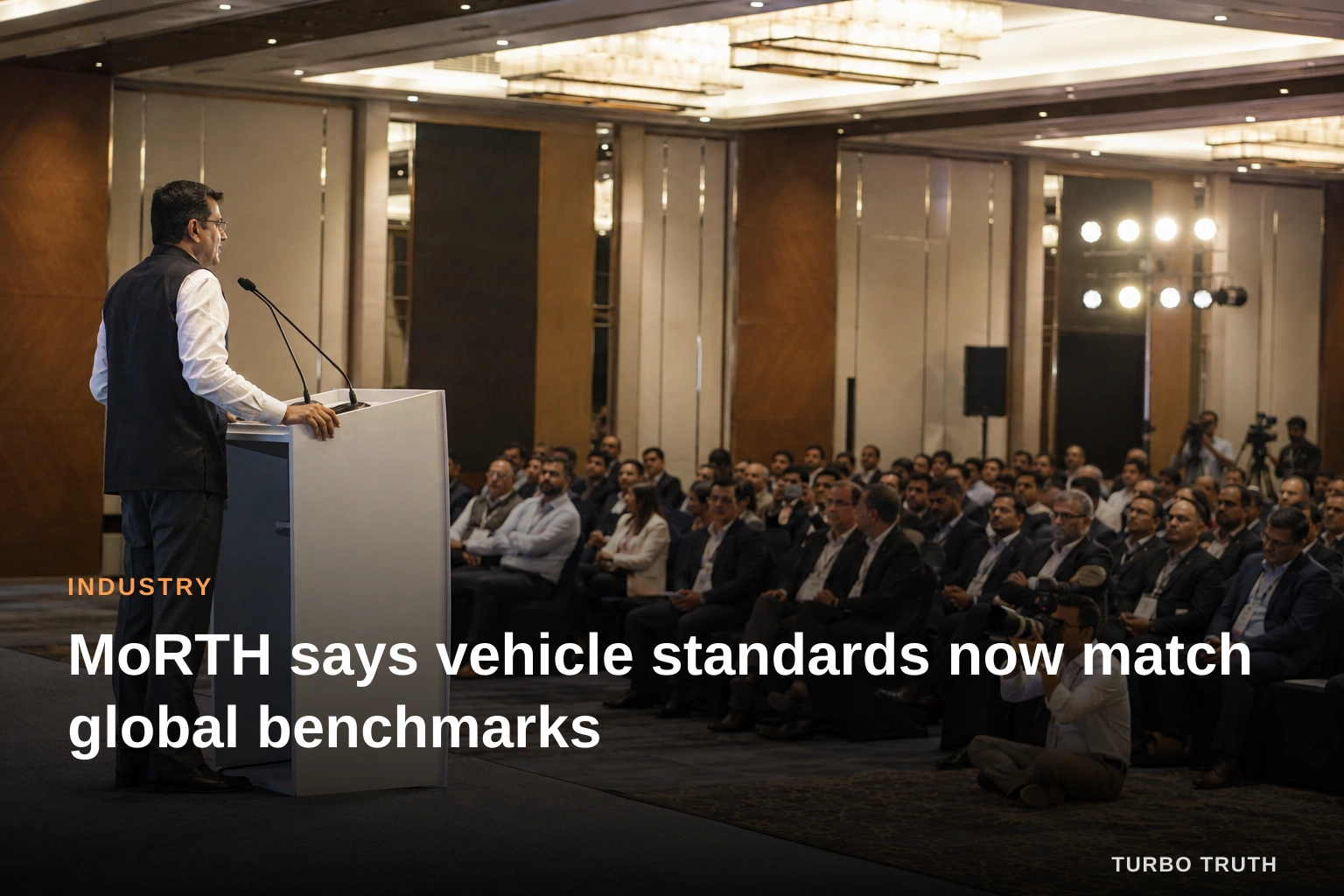
India is now on par with global benchmarks in several vehicle standards, according to recent statements from the Ministry of Road Transport and Highways. The development reflects the progress made in bringing Indian vehicle standards closer to international benchmarks across several areas.
What has changed in India’s vehicle standards
The ministry’s comments point to a broader alignment of Indian vehicle standards with global benchmarks. The change is relevant to the automotive industry because vehicle regulations determine the requirements manufacturers must meet for vehicles sold in the country.
The reported areas of progress include:
- Alignment with several global vehicle standards
- Closer integration with international automotive practices
- Greater consistency between Indian and global benchmarks
- Continued engagement with international automotive ecosystems
Why this matters for automakers
For manufacturers operating in India, closer alignment with global benchmarks means the regulatory environment is increasingly connected to international automotive practices. This is particularly relevant as automakers develop and update vehicles for different markets.
The ministry’s statement also highlights the role of continued engagement with international automotive ecosystems in moving Indian standards closer to global benchmarks. That makes regulatory development an important consideration for manufacturers planning future products for India.
What it means for Indian buyers
For buyers, the key takeaway is that Indian vehicle standards are moving closer to global benchmarks in several areas. However, the statement does not establish that every vehicle sold in India now has identical safety, emissions or testing requirements to vehicles sold overseas.
It also does not provide a specific change to vehicle prices, delivery timelines or equipment that buyers can expect across the market. Those details would depend on individual regulations and manufacturers rather than the broader statement on standards.
What buyers should watch next
The more useful question for buyers is how this continuing alignment translates into specific requirements for vehicles sold in India. Individual regulatory changes can affect the specifications manufacturers choose for particular models, but the ministry statement itself does not give a model-wise list of changes.
For now, the development is best viewed as a broader move towards global benchmarking rather than a single new requirement that changes what buyers should expect from every vehicle.
Will closer alignment with global vehicle standards change what Indian buyers get in future models?
More to read
All news →



0 Comments
Join the discussion
Reading is free for everyone — register (also free) to reply in threads.
No comments yet — start the discussion.