US fuel economy norms eased and EV push scrapped for buyers
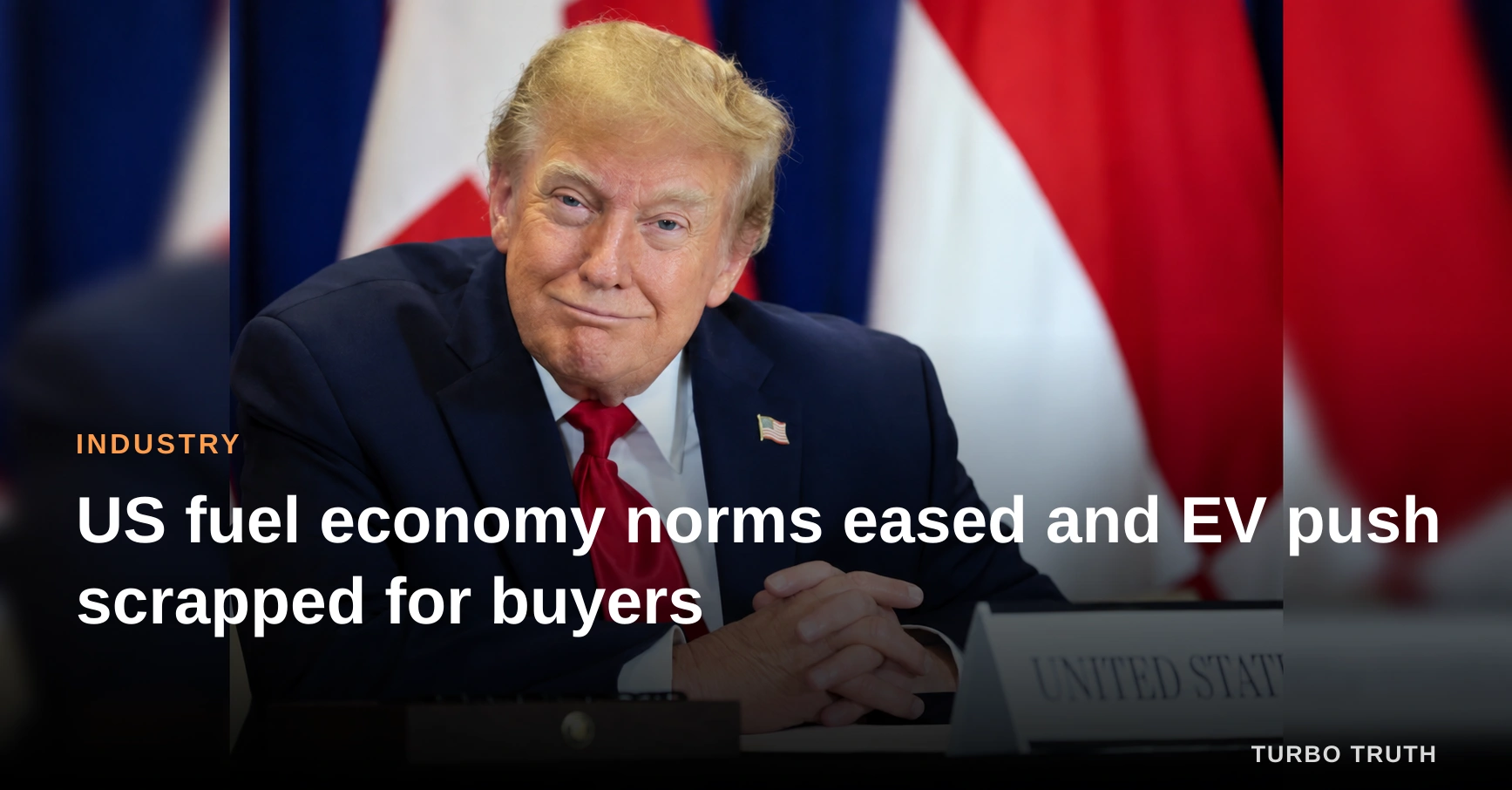
US President Donald Trump approved a major change in regulatory standards by easing fuel economy norms and effectively scrapping the government push toward high electric vehicle adoption. This policy shift directly impacts automakers who had shifted significant capital toward battery technology and alters long-term planning for global supply chains.
Why Trump rolled back US fuel economy rules
The decision comes after automakers and dealers reported slower retail movement for battery models compared to traditional internal combustion engines. Consumer demand failed to match government targets, leaving lots sitting on dealer lots across North America.
- Lower regulatory pressure on traditional engines
- Reduced government backing for charging infrastructure
- Continued production flexibility for combustion powertrains
- Shift in capital allocation back to hybrid and petrol models
What this means for global vehicle planning
Manufacturers that rely heavily on North American exports must now rebalance their manufacturing lines to keep making petrol and diesel options profitable. Without strict mandates forcing rapid electrification, engineering budgets will likely return to improving conventional fuel efficiency rather than rushing pure battery platforms.
Impact on future technology investments
Component suppliers will need to adjust their sourcing strategies to support internal combustion engines for a longer duration than previously estimated. While long-term electrification goals remain on the horizon for some firms, the immediate pressure to phase out fuel-burning vehicles has lifted considerably.
How do these policy reversals change your own timeline for buying an electric vehicle in the coming years?
More to read
All news →


0 Comments
Join the discussion
Reading is free for everyone — register (also free) to reply in threads.
No comments yet — start the discussion.