Thailand EV import tax hike could affect India-bound EV plans
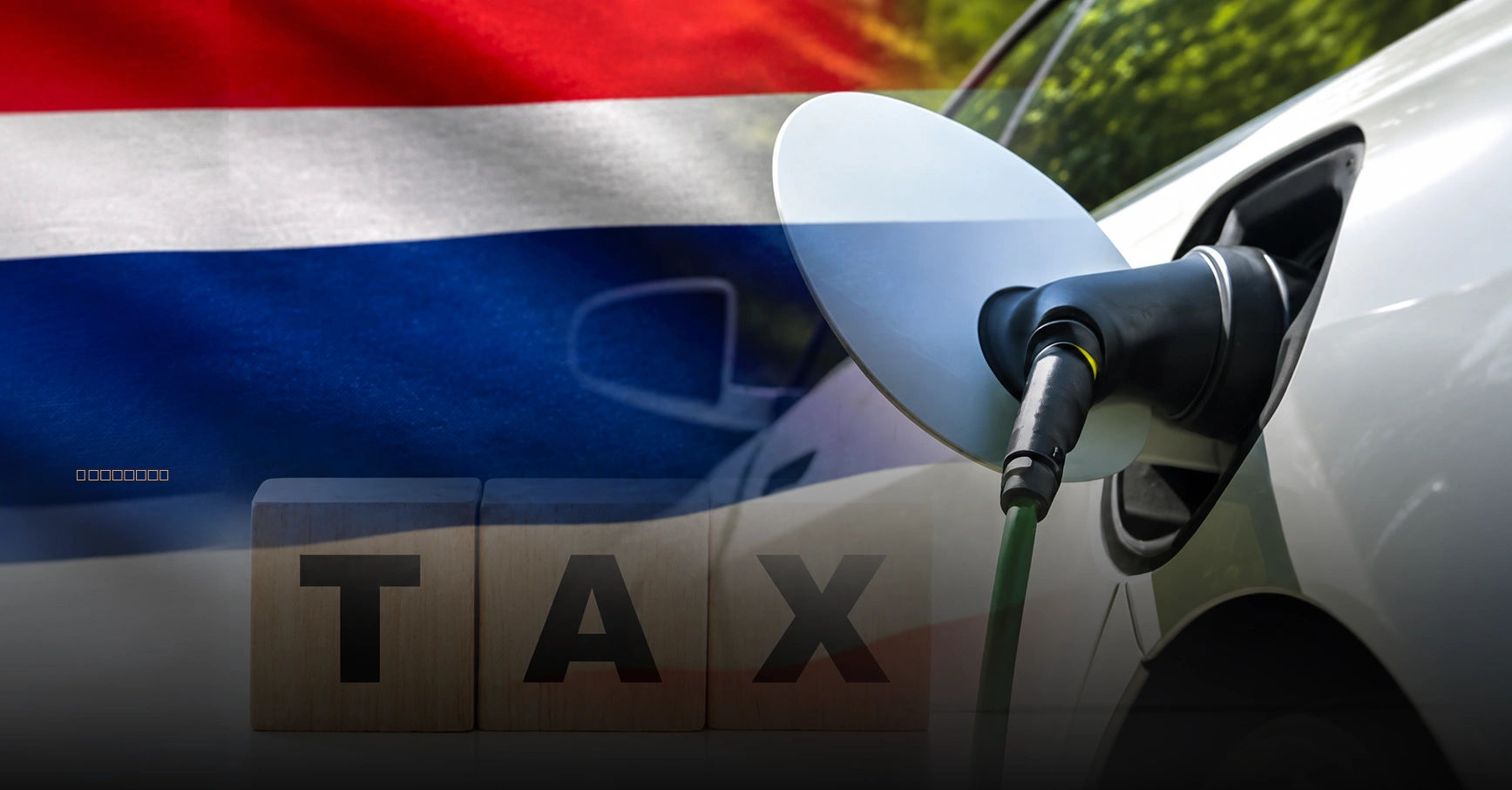
Thailand is planning to increase excise tax on fully imported electric vehicles while keeping lower tax rates for EVs assembled or produced locally. For Indian buyers and the wider auto industry, this is another sign that governments are using vehicle taxes to push manufacturers towards local production rather than relying on imported EVs.
Thailand’s EV tax decision
The proposed change targets fully imported EVs, with higher excise tax intended to make local assembly and manufacturing more attractive. Lower rates would continue to favour vehicles that are assembled or produced inside Thailand.
The policy is aimed at building investment around Thailand’s existing automobile manufacturing ecosystem. That makes the tax change more than a simple increase in the cost of imported EVs, because it changes the economics of where manufacturers choose to build vehicles.
What gets lower tax in Thailand?
The basic distinction is between completely imported EVs and vehicles made locally. The planned structure gives manufacturers a financial reason to move more production activity into Thailand.
- Fully imported EVs face higher excise tax
- Locally assembled EVs get lower tax rates
- Domestically produced EVs are also favoured
- The wider aim is more local manufacturing investment
Why imported EVs face pressure
For a company selling an EV that is entirely built outside Thailand, the higher tax can make the vehicle less competitive. Local assembly can instead become a way to reduce the tax burden while also creating a reason to invest in factories and suppliers.
This approach could also influence future model planning. Manufacturers deciding between importing an EV as a finished vehicle or assembling it closer to the market now have a stronger financial reason to consider local production.
Could India follow a similar route?
For Indian buyers, the interesting part is the policy direction rather than Thailand’s tax rate itself. India has also been encouraging more local manufacturing, so Thailand’s move shows how governments can use taxation to influence where EV investment happens.
For anyone considering an imported EV, policies like this are worth watching because import duties and local-production incentives can eventually affect which models are offered and how manufacturers structure their prices.
Would you prefer lower EV prices through imports or stronger local manufacturing incentives?
More to read
All news →


0 Comments
Join the discussion
Reading is free for everyone — register (also free) to reply in threads.
No comments yet — start the discussion.