Jamshedpur diesel auto ban and pollution crisis
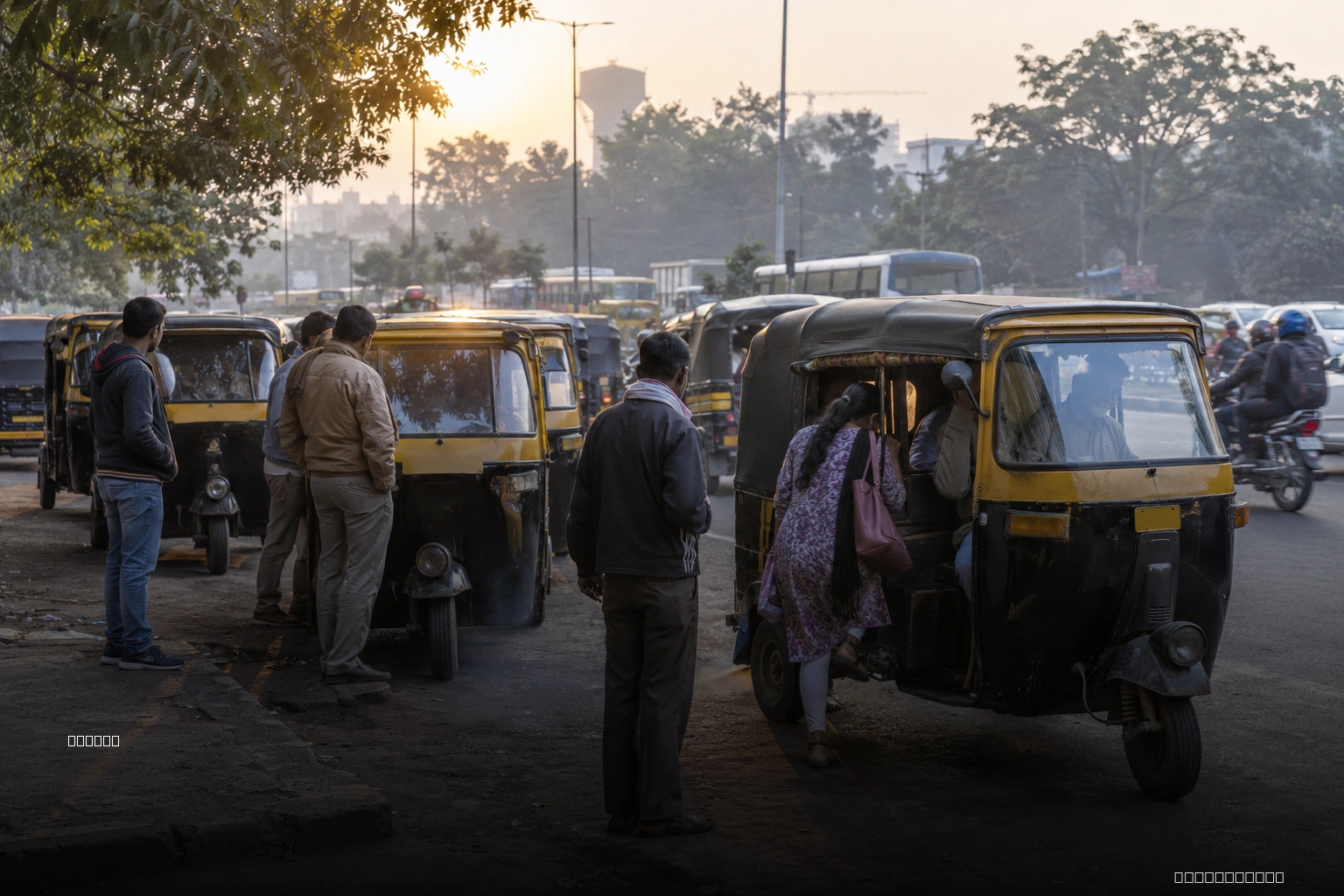
Jamshedpur is facing severe air quality issues driven heavily by commercial transport emissions, with environmental experts pointing to a massive fleet of older three-wheelers. Local authorities have made repeated efforts to clean up the air and phase out older fossil-fuel carriers, but compliance remains a major hurdle for fleet operators on the ground.
Over 30,000 diesel autos in the city
Environmental scientists monitoring the region note that the city currently runs on a base of more than 30,000 diesel-powered autorickshaws. These high-utilization commercial vehicles rack up significant daily mileage across crowded urban corridors, contributing heavily to particulate matter buildup.
- Over 30000 diesel autorickshaws currently operating in Jamshedpur
- Many vehicles actively running without valid fitness certificates
- Administration attempting repeated phase-out and replacement drives
- Growing pressure to transition the local transport fleet to cleaner fuels
Fitness certificate checks and enforcement
A critical part of the ongoing problem involves widespread non-compliance with mandatory vehicle fitness renewals among commercial operators. Without strict roadside checks and impounding of non-compliant units, administrative bans struggle to achieve their intended environmental targets.
What happens to daily commuters next?
As the local administration steps up pressure to curb high-emission transport, daily commuters face potential shortages until cleaner alternatives like CNG or electric three-wheelers scale up. Transport unions continue to push for financial subsidies to help owners scrap older oil-burners without losing their livelihoods.
How is your city handling older commercial diesel fleets and emissions?
More to read
All news →



0 Comments
Join the discussion
Reading is free for everyone — register (also free) to reply in threads.
No comments yet — start the discussion.