Volvo India PHEV plans shelved high taxes and weak demand
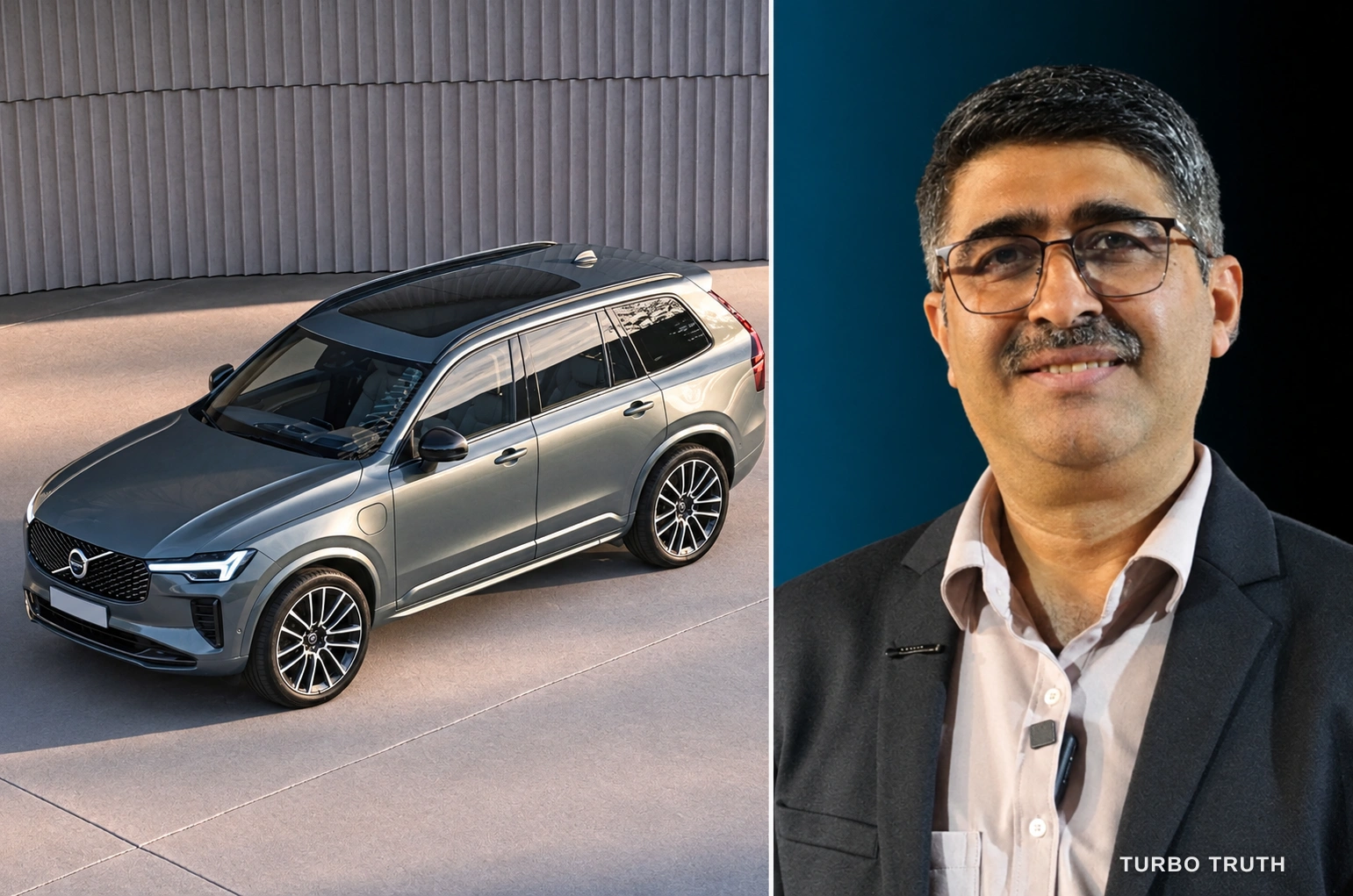
Illustration generated by Turbo Truth.
Volvo India has confirmed it has no plans to bring plug-in hybrid cars to the country for the near future. The decision comes straight after the EX90 launch and affects anyone eyeing a plug-in version of the XC60 or XC90.
Why PHEVs cost more than EVs
The main reason is the tax structure. Plug-in hybrids attract a 40 percent GST rate while pure battery electric vehicles pay just 5 percent. With cesses added, the total tax burden on a PHEV can reach around 43 percent. This dual powertrain setup already adds cost to the vehicle, and the higher tax makes them less competitive against both conventional ICE cars and battery electric vehicles.
The tax gap between PHEVs and EVs
- PHEVs attract 40 percent GST plus applicable cesses
- BEVs face only 5 percent GST and no compensation cess
- Total tax on PHEVs can climb to 43 percent
- Higher cost affects final purchase price significantly
Which powertrains Volvo will sell instead
The company is doubling down on battery electric vehicles and mild hybrids. The current electric lineup includes the EX30, EC40 and EX90, while the XC60 and XC90 SUVs are available in a mild-hybrid avatar. Electric cars now make up nearly one in four vehicles Volvo sells in India. The end goal remains becoming an electric car company, but the pace is adjusted for local market conditions.
Will CAFE norms change the decision
Volvo India managing director Jyoti Malhotra says the third phase of Corporate Average Fuel Economy norms, coming from April 2027, will not fix the commercial case. He believes it is basically the tax structure that drives the decision. Customer willingness to pay remains a key factor since PHEVs are more expensive than conventional ICE vehicles.
For those waiting for a plug-in version of the XC60 or XC90, do you think the tax difference is enough to push you toward a pure EV instead?
More to read
All news →

0 Comments
Join the discussion
Reading is free for everyone — register (also free) to reply in threads.
No comments yet — start the discussion.