FADA Dealer Satisfaction 2026: Which Brands Lead Dealers
Dealer satisfaction has improved across India, but the latest numbers show that being a high-volume car or bike brand does not automatically mean having the happiest dealer network. The 2026 study puts overall dealer satisfaction at 810, while profitability, stock management and after-sales economics remain major concerns for businesses selling and servicing vehicles.
Dealer satisfaction reaches 810
The overall Dealer Satisfaction Index has risen 29 points from last year to 810. Two-wheelers improved by 35 points to 827, while the 4W Mass Market category gained 39 points to reach 810.
After-sales has become the most important area for dealers, followed by sales and order planning and business viability and policy. Together, these account for nearly 68% of dealer mind space.
JSW MG leads mass-market cars
JSW MG Motor India scored 865 in the mass-market four-wheeler category, well above the 810 segment average. Mahindra & Mahindra and Tata Motors also remained above the average, while Kia was just over it.
The gap at the bottom is large. Renault India scored 597, leaving a 268-point difference between it and JSW MG. Toyota Kirloskar Motor and Kia were also highlighted for strong year-on-year improvement.
Royal Enfield stays ahead of Hero
The two-wheeler contest was much closer, with Royal Enfield at 878 and Hero MotoCorp at 873. Both were comfortably above the segment average of 827.
- Royal Enfield: 878 points
- Hero MotoCorp: 873 points
- Ather Energy: 864 points in electric two-wheelers
- VinFast Auto India: 858 points in electric passenger vehicles
Dealers appreciated areas such as reliability, product range, warranty fairness and sales support. However, inventory buybacks, training cost sharing, margins and service economics remain pressure points.
Profitability remains the bigger issue
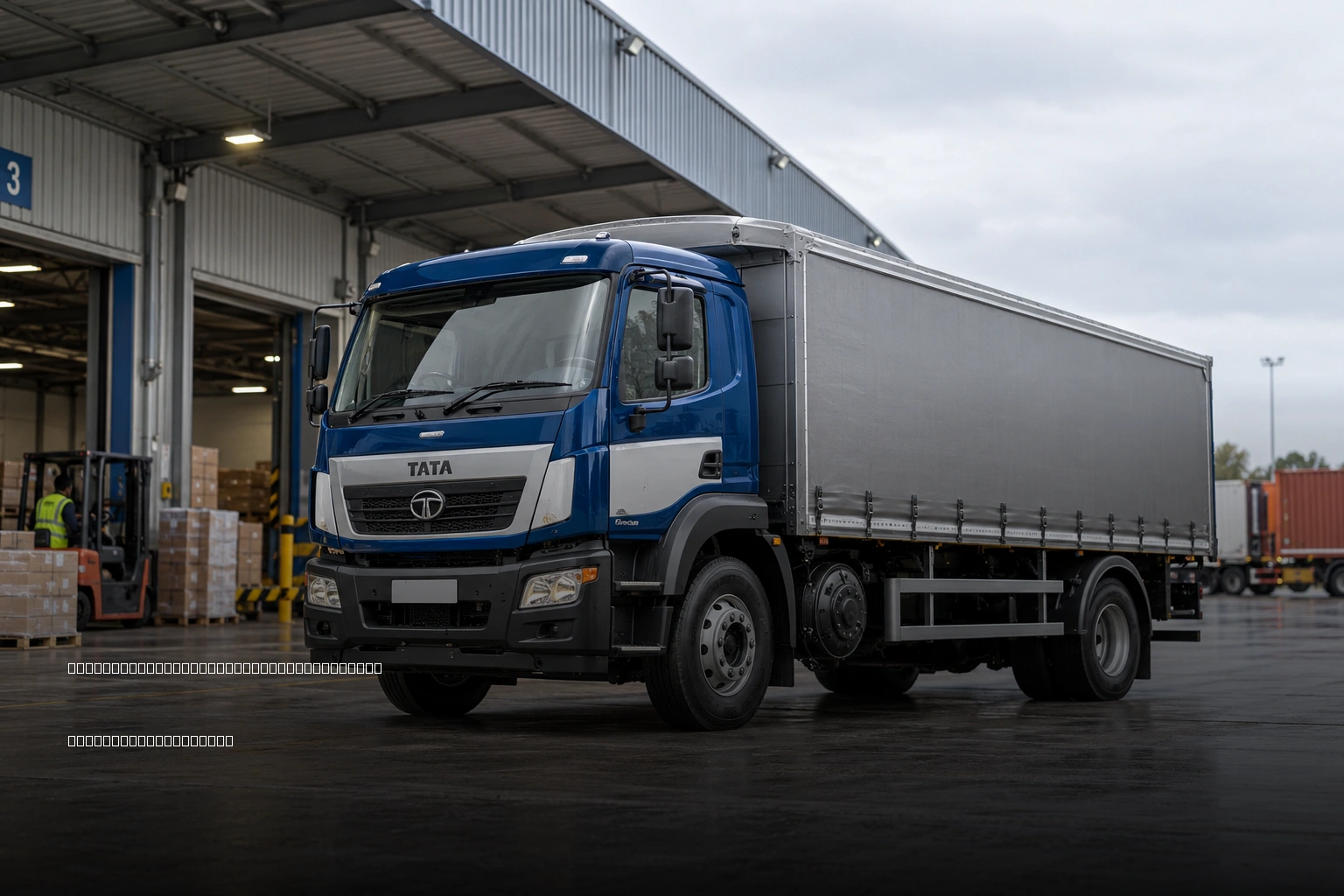
Tata Motors Commercial Vehicles led its category with 800 points, only five ahead of Ashok Leyland at 795. VECV-Eicher Motors scored 732 against the 782 CV segment average.
The interesting part for buyers is that dealer satisfaction is not simply about sales numbers. Dealers are also dealing with stock-carrying costs, dead inventory, parts availability, warranty reimbursements, service turnaround times and investments required for expanding networks or meeting OEM standards.
With EVs taking a larger share of the market, Ather and VinFast leading their electric categories also raises another practical question: can dealerships make sustainable returns from selling and servicing EVs?
What has your experience been with your brand’s dealer and service network?
More to read
All news →
0 Comments
Join the discussion
Reading is free for everyone — register (also free) to reply in threads.
No comments yet — start the discussion.