CAG flags GST e way bill misuse using fake vehicle data
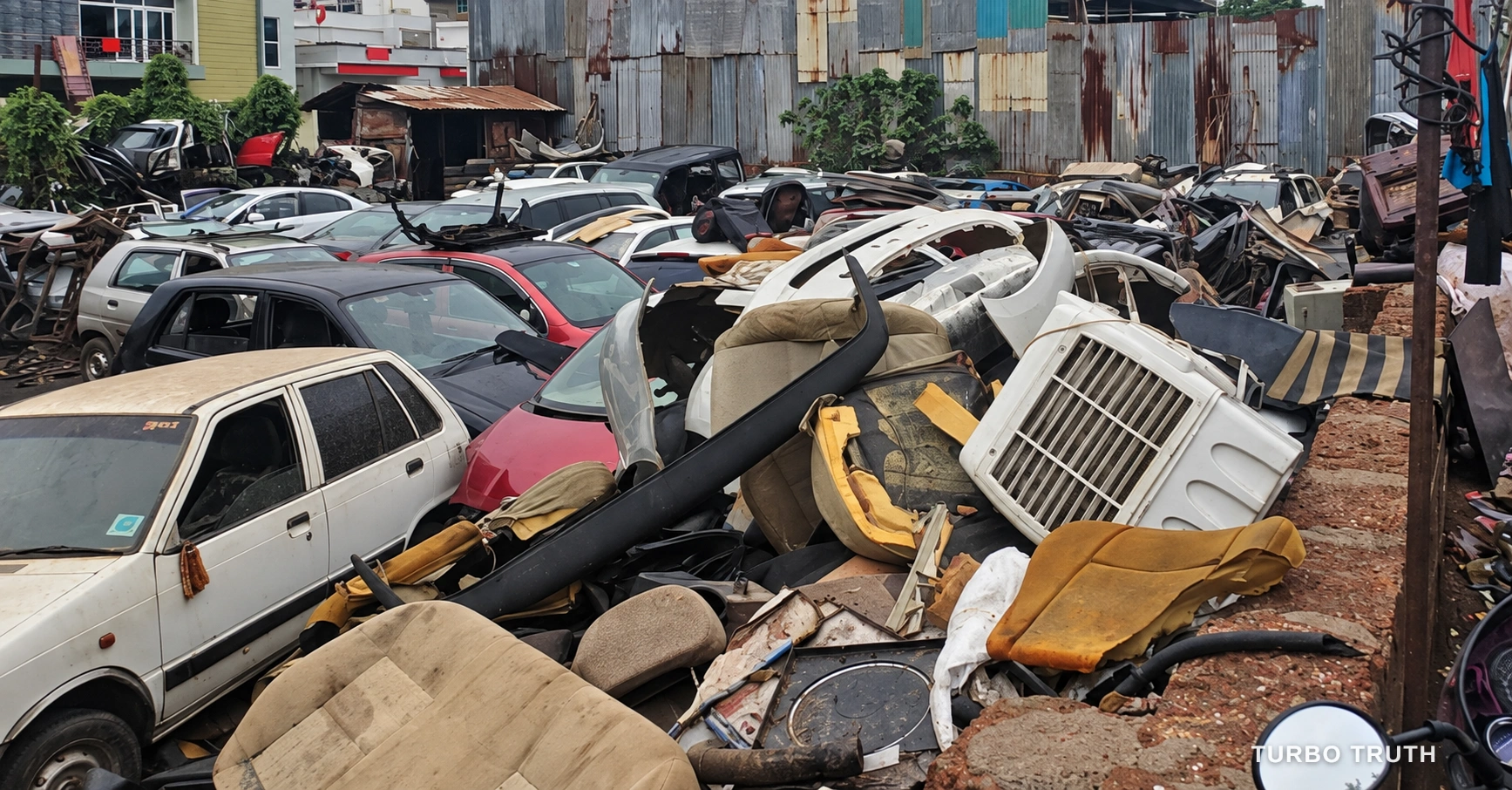
Illustration generated by Turbo Truth.
The CAG audit has flagged misuse of the GST e way bill system, with stolen, scrapped and even two wheeler vehicle details being used to generate transport documents. The findings raise questions about how vehicle data is being checked before an e way bill is created.
What the CAG audit found
The audit found widespread misuse involving vehicle information that should not have been used for genuine goods transportation. This included details linked to stolen vehicles, scrapped vehicles and two wheelers being used for transport documents.
For vehicle owners, the issue is less about any particular car or bike and more about the way registration data is being used within the GST system. A vehicle record appearing in an e way bill does not necessarily mean that vehicle was actually involved in transporting goods.
How vehicle data was misused
The audit findings point to several types of vehicle records being used in the e way bill system:
- Stolen vehicle details were used to generate transport documents
- Scrapped vehicle details appeared in e way bill records
- Two wheeler details were used for transport documentation
- Fake or unsuitable vehicle data was also used
The use of such records can make the electronic trail look like a legitimate movement of goods even when the vehicle information does not match a genuine transport operation.
What this means for vehicle owners
The findings do not suggest that ordinary vehicle owners are responsible for the misuse. Instead, they highlight the importance of accurate vehicle records and stronger checks when registration details are used for GST transport documentation.
For buyers, this is also a reminder that vehicle registration data has uses beyond routine ownership and road compliance. Stolen or scrapped vehicle records being used in official electronic documents shows why data validation matters when different government systems interact.
What happens next?
The audit brings attention to weaknesses in the way vehicle information is being used with GST e way bills. Addressing those gaps would require better validation of vehicle status and checks against unsuitable or invalid vehicle records before transport documents are generated.
For now, the key issue for vehicle owners is awareness: misuse of vehicle data can occur even when the vehicle itself has nothing to do with the transaction.
Could stronger vehicle data checks help prevent this kind of GST e way bill misuse?
More to read
All news →



0 Comments
Join the discussion
Reading is free for everyone — register (also free) to reply in threads.
No comments yet — start the discussion.