Trump likely to roll back Biden fuel economy rules before midterms
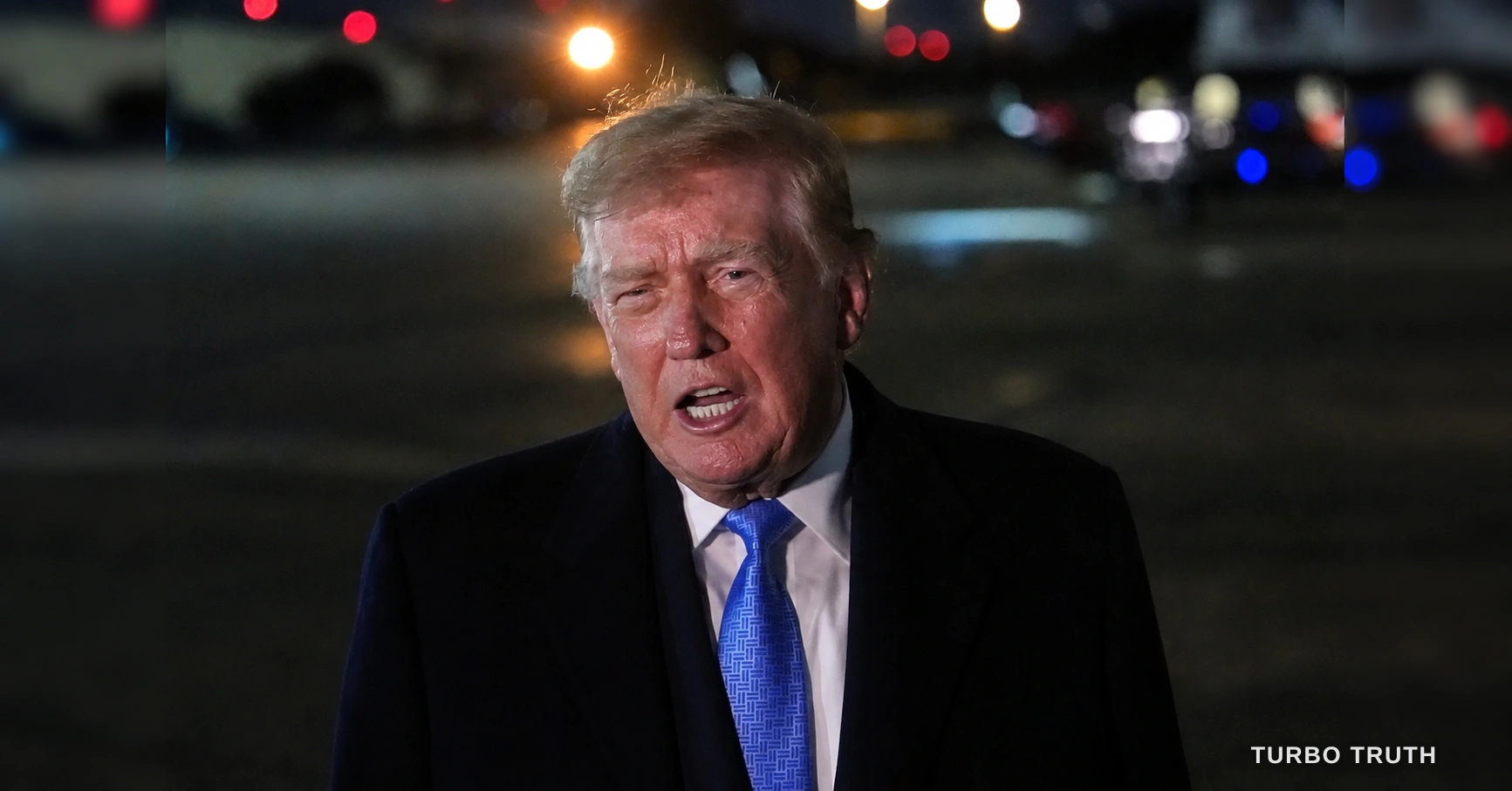
Illustration generated by Turbo Truth.
The White House is moving to water down strict fuel economy standards put in place under the Biden administration, a step that could reshape how carmakers plan their lineups for the American market over the next decade. The push comes as Trump faces pressure ahead of the November midterm elections, with voters increasingly unhappy about high fuel prices and the cost of living.
Why this is happening now
Trump has been under sustained political pressure to do something visible about rising prices at the pump. Rather than tackle oil supply directly, the administration appears to be taking the easier route of easing the mileage targets that carmakers are required to hit. Loosening those targets means manufacturers face lower penalties if they sell more large, fuel-hungry vehicles.
What the Biden rules actually required
The standards Trump is targeting were among the most aggressive ever set for the American market. They were designed to push the industry sharply toward electrification by requiring fleets to average significantly higher fuel efficiency year on year. Key points about those rules:
- They set steep annual improvement targets for passenger cars and light trucks
- Penalties for missing the targets were set to increase substantially
- Automakers selling large SUVs and pickups faced the biggest compliance pressure
- The rules were tied directly to America's broader emissions reduction commitments
- Several manufacturers had already begun restructuring product plans around them
What changes could look like
No final rule has been published yet, so the exact shape of any rollback is not confirmed. The administration could freeze targets at current levels, reduce the annual step-up rate, or give manufacturers more flexibility in how they calculate compliance. Any of these would reduce the urgency for carmakers to push electric and hybrid models into showrooms quickly.
Does any of this matter if you are buying in India?
Directly, not immediately. But American policy has a way of rippling outward. If global manufacturers feel less pressure to hit tough efficiency numbers in their largest market, investment in the next generation of efficient powertrains could slow. Indian buyers who were counting on more affordable EVs and hybrids arriving sooner may find timelines stretch out.
If you are choosing between a conventional petrol car and a hybrid or EV today, would news like this make you rethink the wait?
More to read
All news →


0 Comments
Join the discussion
Reading is free for everyone — register (also free) to reply in threads.
No comments yet — start the discussion.